Espresso Beans vs Coffee Beans: What's the Real Difference?
When you are ordering coffee or making a cup at home, there are two main options: coffee and espresso. So, when you're getting beans for your morning drink, you may be wondering whether you need a bag labeled "espresso beans" or one labeled "coffee beans".
Then you start to wonder what actually separates them. You find yourself breaking down espresso beans vs. coffee beans. Are they from different plants? Different farms? Do they have different roast levels? Let's clear it up so you can pick the right bag for your morning ritual.
The Short Answer
Espresso beans and coffee beans start from the same coffee cherries. The real difference between espresso beans vs coffee beans comes down to the roast profile and grind size, not a separate species of bean. Roasters develop espresso beans for a fast, high-pressure brew, while they roast standard coffee beans for slower methods like drip machines, French presses, or pour-overs.
Once you understand that distinction, the rest of the story falls into place quickly.
Espresso Beans vs Coffee Beans at a Glance
Here is how the two beloved beans compare side by side:
| Feature | Espresso Beans | Coffee Beans |
|---|---|---|
| Roast level | Medium-dark to dark | Light, medium, or dark |
| Grind size | Fine, almost powder-like | Coarse to medium, depending on method |
| Brew method | Espresso machine, Moka pot | Drip, French press, pour-over |
| Brew time | Under 30 seconds | 2 to 5 minutes |
| Serving size | 1 to 2 ounces | 8 to 12 ounces |
| Flavor profile | Bold, caramelized, thick body | Wide range, from bright to smoky |
| Caffeine per ounce | Higher | Lower |
How Roasting Sets Them Apart

Roasters typically roast espresso beans a bit darker and longer than beans meant for regular coffee. That extended roast time breaks down more of the bean's natural sugars, which creates the deep, caramelized flavor and thick body that espresso lovers crave. The oils rise to the surface of the bean, giving espresso its characteristic sheen and enabling it to produce a rich crema on top of each shot.
Regular coffee beans, on the other hand, come in a wider range of roast levels:
- Light roasts preserve more of the bean's original acidity and bright fruit notes.
- Medium roasts balance sweetness with a touch of acidity.
- Dark roasts lean toward bold, smoky flavors.
Because drip and immersion brewing pull flavor from the grounds more slowly, traditional coffee roasts have more room to express subtle character.
Grind Size Makes an Even Bigger Difference
Roast level matters, but grind size changes the brewing outcome even more dramatically. Espresso machines force hot water through the grounds at high pressure in under thirty seconds, so the beans need a fine, almost powder-like grind. That fine grind creates enough resistance to extract flavor quickly without over-extracting or under-extracting the shot.
Standard coffee beans use a coarser grind because the water is in contact with the grounds for several minutes. A drip coffee maker or French press pulls flavor gradually, so a coarse grind prevents the coffee from turning bitter or muddy.
Think of it like this: If you tried to run a coarsely ground bean through an espresso machine, you would get a weak, watery shot. And if you tried to brew a fine espresso grind in a drip machine, you would end up with an over-extracted, bitter cup.

How the Two Drinks Differ
The brewing method shapes the final drink just as much as the bean does.
Espresso delivers a small, concentrated shot, usually about one to two ounces, with a thick body and a layer of golden-brown crema. Baristas use it as the base for lattes, cappuccinos, Americanos, and other espresso drinks. The intensity means that if it's straight espresso, most people sip it slowly or take a quick shot.
Regularly brewed coffee produces a larger, lighter-bodied cup, often 8 to 12 ounces, with flavor that unfolds more gradually as you drink it. Because you steep or drip regular coffee for longer, you get a smoother, more diluted flavor profile that many people prefer for sipping slowly throughout the morning.
Something to note: Ounce for ounce, espresso has more caffeine, but a full cup of drip coffee usually contains more total caffeine because of its larger serving size.
What to Look for in Espresso Beans

If you want to brew espresso at home, look for a few key qualities when you shop:
- A medium-dark to dark roast. This roast style brings out the caramelized sugars and bold flavor that stand up well to the intensity of espresso extraction.
- Beans blended for balance. Many espresso blends combine beans from multiple origins to create a consistent, well-rounded shot with the right mix of body, sweetness, and acidity.
- Fresh roast dates. Espresso relies on trapped carbon dioxide in the bean to create a good crema, so fresher beans give you a richer, more stable shot.
- A grind suited to your machine. If you buy whole beans, invest in a burr grinder that can produce a consistent, fine grind for your espresso maker.
Mystic Monk Coffee offers Espresso Classico and Espresso Blend as excellent espresso bean options.
What to Look for in Regular Coffee Beans

For everyday brewed coffee, a few different priorities come into play:
- A roast that matches your taste. Light roasts suit those who enjoy brighter, fruitier notes, while medium and dark roasts suit those who prefer a fuller, richer cup.
- Single-origin or blend, based on your preference. Single-origin beans highlight the unique character of a single growing region, while blends create a more consistent, balanced flavor in every cup.
- A grind that fits your brew method. Choose a coarser grind for a French press, a medium grind for drip machines, and a medium-fine grind for pour-overs.
- Fair trade and quality sourcing. Beans sourced through fair trade practices support the farmers who grow them and often deliver a higher, more consistent quality in your cup.
Shop the full coffee collection from Mystic Monk Coffee for delicious, freshly roasted coffee beans.
Don't Forget Decaf
Watching your caffeine intake does not mean you have to give up either drink. Mystic Monk Coffee roasts decaf beans using a natural water process. That means you still get a full-bodied cup with the same care and craftsmanship as our caffeinated roasts, whether you brew it as a slow drip coffee or a quick decaf espresso shot in the evening.
Choosing the Right Beans for Your Kitchen
If you already know which drink you reach for most mornings, the choice becomes simple. Espresso drinkers should look for a dedicated espresso blend roasted for that quick, high-pressure brew, while drip and French press drinkers should look for a roast level that matches their flavor preference.
Many coffee lovers keep both on hand. A dedicated espresso blend covers your latte and cappuccino cravings, while a medium roast coffee bean handles your everyday pot.
If you drink coffee daily and want to stock up without running out mid-week, consider ordering bulk coffee so you always have fresh beans ready for whichever brew method you choose that morning.
Whichever path you take, the monks at Mystic Monk Coffee hand-roast every batch with care, so you get a fresh, flavorful cup no matter how you brew it.
Frequently Asked Questions
Espresso is a brewing method, not a bean variety. Any coffee bean can go into an espresso machine, though roasters typically choose a medium-dark to dark roast and a fine grind to get the bold flavor and crema that espresso drinkers expect.
Yes. Choose one of our darker roasts and grind it fine, close to the texture of powdered sugar, for the best results in a home espresso machine or Moka pot.
Espresso has more caffeine per ounce, but a full cup of drip coffee usually contains more total caffeine because the serving size is larger. Roast level has only a small effect on caffeine content.
A medium-dark to dark roast works best for most home espresso setups, since the extended roast time develops the bold, caramelized flavor that holds up well under high-pressure brewing.
Read more
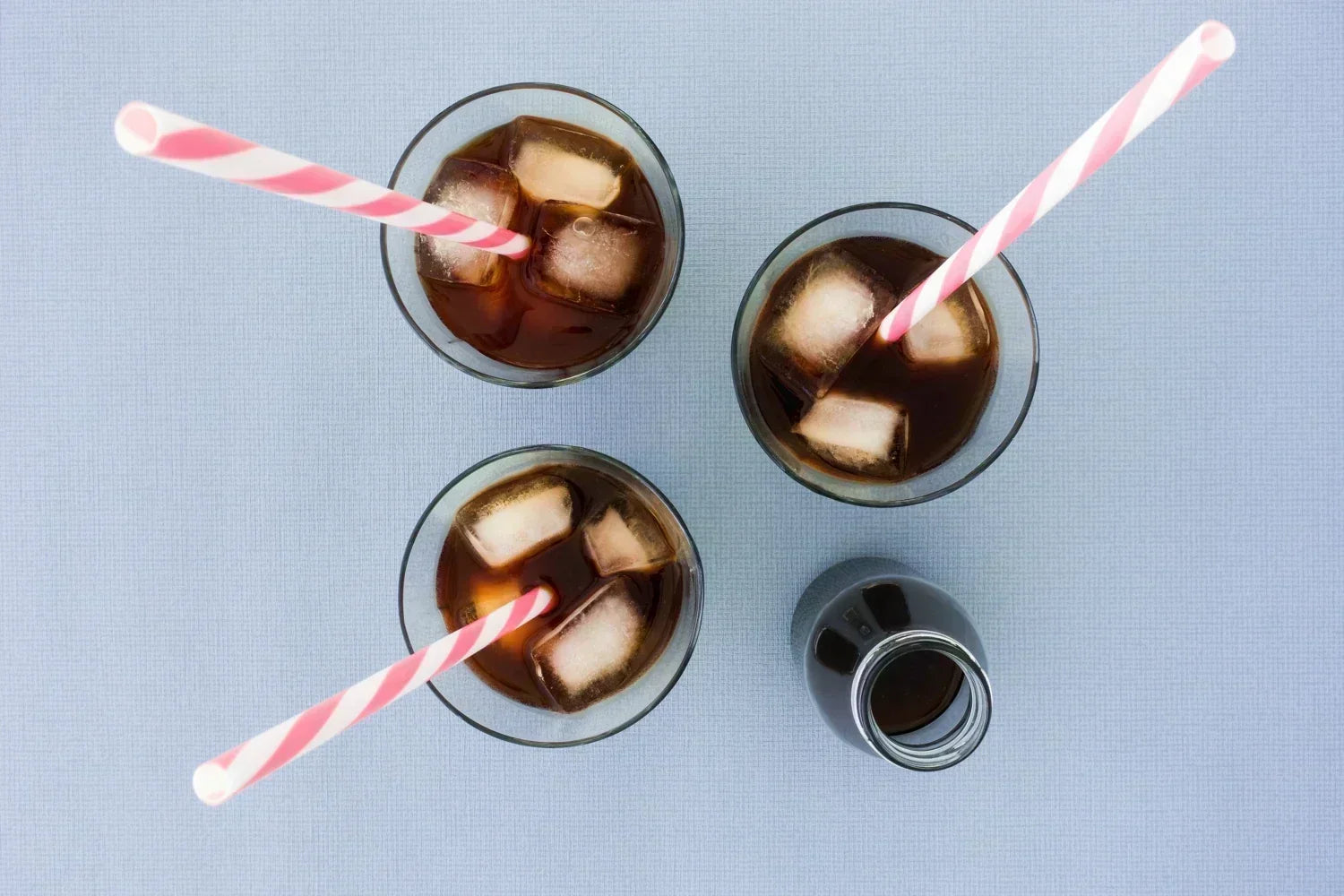
Cold brew is a growing cold coffee trend in the U.S. that many coffee lovers are embracing. And there’s no need to wonder why. Cold brew is a smooth, rich, yet refreshing drink anyone can enjoy any...
Simply put, coffee concentrate is the extremely potent extract of coffee from its grounds. The most common way to make it is through the cold brew method. Just have your preferred amount of cold w...