
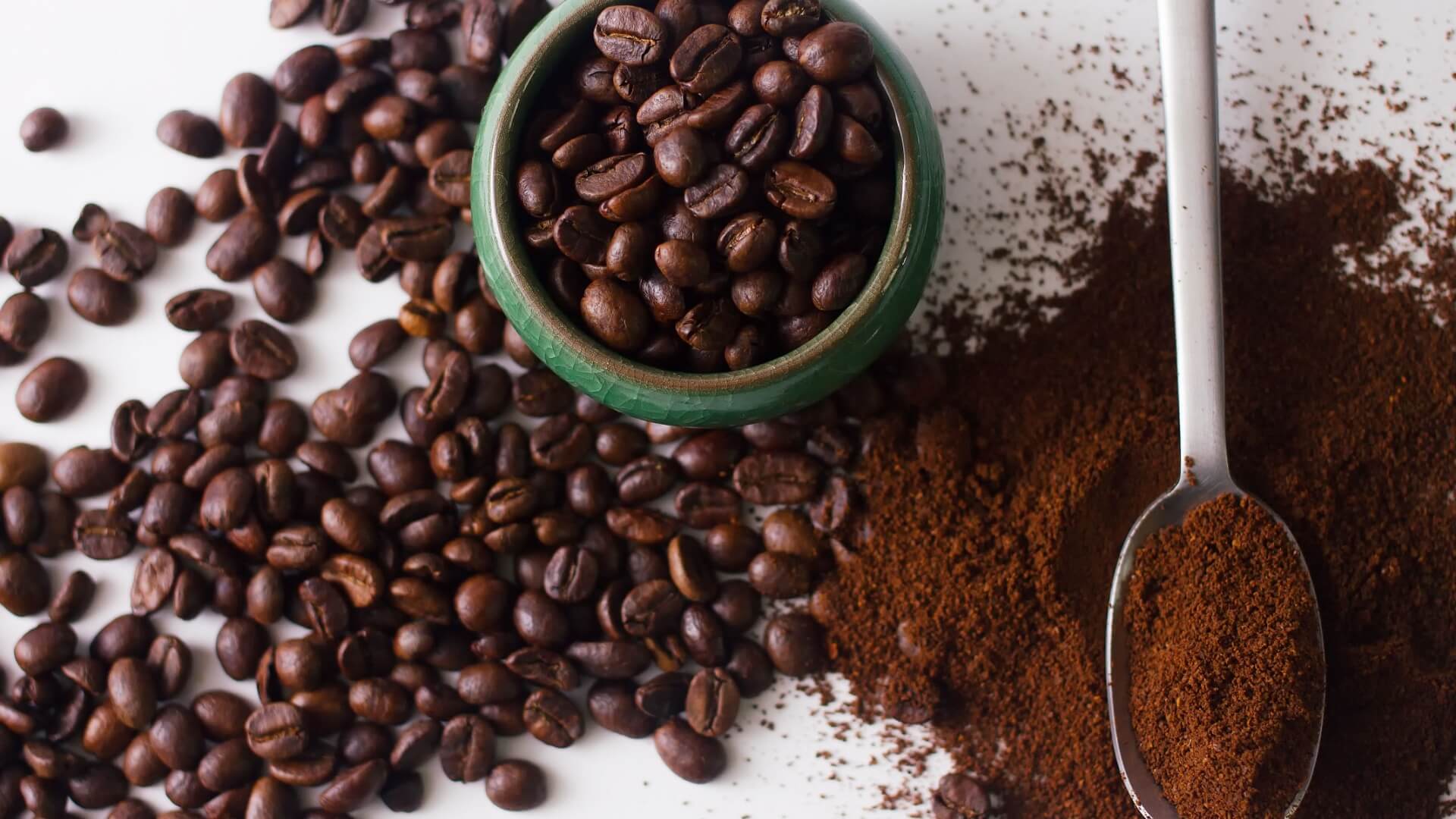
Does Ground Coffee Go Bad? (And How to Keep It Tasting Heavenly): A Guide to Coffee Freshness
Fresh coffee is a small daily grace. When it turns stale, you notice right away. The aroma grows quiet, the cup tastes hollow, and the finish leans a little bitter. But does ground coffee go bad? No, not really. Most ground coffee doesn’t become unsafe. It simply loses the fragrance and sweetness you love. This coffee freshness guide shares clear timelines, thoughtful storage habits, and practical tips so every scoop tastes its best.
Quick Answer
Coffee usually does not spoil the same way something like milk would. It just becomes stale. As coffee stales, the aroma fades and flavor flattens. Discard it only if you see mold or smell sour or musty notes. In most cases, the issue is simply quality, not safety.
“Bad” vs. Unsafe: What We Really Mean
When people say coffee has “gone bad,” they usually mean it has lost freshness. Aromatics escape, oils oxidize, and once lively flavors settle into something muted. While that can be disappointing, it is rarely dangerous.
Truly unsafe ground coffee shows visible mold or smells sour, musty, or fermented. If you notice any of those signs, do not brew it. Otherwise, you are only dealing with a cup that has lost some of its charm, not one that is harmful.
How Long Does Ground Coffee Stay Fresh?
Unopened ground coffee keeps its good flavor for about two months when stored in a cool, dark cupboard. The bag’s valve helps release built-up gas while limiting oxygen, but heat and light still shorten that freshness window. Once you open the bag, plan to finish it within one to two weeks for peak aroma and a round, balanced cup. You will notice that freshness fades first in the scent, then in sweetness and body.
Follow these guidelines to turn every scoop of ground coffee into a delightful cup worth savoring:
Coffee Storage Type |
Unopened at Room Temperature |
After Opening |
In the Freezer |
Protocol |
|
|
|
Why the difference?
Ground coffee has far more surface area than whole beans, which means more contact with oxygen. Oxygen, light, heat, and humidity interact with the delicate compounds that make coffee smell and taste wonderful. You cannot reverse those reactions, but you can slow them with wise storage and gentle handling.
How To Tell if Ground Coffee Is Still Good
 Start with scent. Bring the container to your nose and see if the grounds have a clean, pleasant aroma. If it smells lifeless yet clean, brew a small test cup to check the taste. A stale coffee often shows a thin body with papery or woody notes and a sharper finish. You may also spot brewing cues such as a weak bloom in pour-over or a pale crema that vanishes quickly in espresso.
If the cup tastes clean but flat, you can still enjoy it with a more forgiving method like drip or cold brew, especially with milk or a little sweet cream if that fits your taste. If the coffee smells sour, musty, or in any way off, it’s time to let it go.
Quick Test: Brew a half cup. If it tastes clean but flat, it is safe and usable. If it tastes sour or musty, discard the rest of the coffee immediately.
Signs of Unsafe Coffee
Unsafe coffee is uncommon, but clear signs exist. Mold growth, sour or fermented odors, or evidence that moisture or another food source has contaminated the container all point to a coffee you should not brew. When in doubt, give yourself the gift of a fresh bag.
Sensory Checklist
- Aroma: Muted, cardboardy, or faintly oily
- Taste: Thin body, papery or woody notes, sharper finish
- Brew cues: Weak bloom, fleeting crema
Date labels, One-Way Valves, and What Actually Matters
- Roast date vs. “best by”: A roast date tells you when freshness began. “Best by” is guidance for quality, not safety.
- One-way valve bags: These let carbon dioxide out while helping limit oxygen in. One-way valve bags protect freshness during shipping and on the shelf, but once you open the bag, the clock runs faster. Use a vault or an airtight canister to slow it down.
Storing Ground Coffee the Right Way

- Store in an airtight container: Limit oxygen and choose opaque walls to block light.
- Maintain a proper temperature: Room temperature is fine if it remains cool and steady. Avoid placing near windows or in warm cupboards above ovens.
- Protect against humidity: Keep coffee dry. Do not refrigerate. If you freeze, portion once, seal tightly, and thaw while sealed.
The best storage plan is simple: Place your coffee in an opaque, airtight container, such as our Monk Coffee Vault. Keep it in a cool, dry, dark place such as a pantry cabinet away from the oven.
If you prefer to buy larger bags, divide them into smaller containers so you limit the amount of coffee that meets fresh air each day.
Avoid this:
- Clear jars on the counter. Light and warmth speed staling.
- The refrigerator. Humidity and food odors can dull the cup.
- Constantly opening and closing a big bag. Portion into smaller containers if you like to buy in bulk.
Tips and Tricks for Preserving Coffee Freshness
- Match the bag size to your weekly use.
- Keep a simple rotation (oldest in front).
- If freezing, portion the beans for your personal needs and avoid refreezing.
- Grind on demand when possible.
- Brew with care. Clean equipment supports better flavor.
Smart Buying Habits
Match your bag size to how much you typically drink in one to two weeks. A daily brewer often does well with a twelve-ounce bag refreshed every week or two, while a weekend brewer may prefer an eight-ounce bag replaced every two to three weeks. Keep the oldest bag in front so nothing lingers and loses character. If convenience helps you stay consistent, a subscription ensures fresh coffee arrives at your doorstep right when you need it.
Buying Rhythm
- Daily brewer: 12 oz every 1–2 weeks
- Weekend brewer: 8 oz every 2–3 weeks
- Host often? Keep an extra sealed bag on hand
Creative Ways to Use Stale Coffee

Even when coffee is no longer at its peak, it can still be useful if it smells clean. Here are some ideas on how to use your stale ground coffee beans:
- DIY Hand Scrub for Garden Cleanup: Mix equal parts used coffee grounds and a gentle liquid soap. Add a little olive oil if you want extra softness. The fine grit lifts soil and grease without being harsh. Rinse well and moisturize.
- Odor Absorber for Fridge or Trash: Dry the grounds completely, then place them in a small open jar or breathable sachet. Set the jar in the fridge, freezer, or the bottom of the trash bin. For best results, replace every one to two weeks.
- Compost Addition in Moderation: Coffee grounds add nitrogen and improve soil texture. Sprinkle thin layers into your compost and mix to keep airflow to the plant roots. Balance with browns such as dry leaves, shredded cardboard, or paper to avoid a dense, wet pile.
- Natural Dye for Crafts or Paper: Steep a strong “coffee tea,” let it cool, and strain. Brush or dip paper, fabric swatches, or twine for antique tones. Let pieces dry fully, then heat set with an iron on low for fabric.
Five Tasty Ways to Use Older Coffee

- Cold Brew Cocktail: Brew a stronger cold brew. Shake with a splash of cream and your favorite spirit, then strain over ice. The coffee base brings smooth chocolate and caramel notes.
- Homemade Coffee Ice Cream: Fold well-chilled strong coffee into a simple custard base. Churn until silky. The result is fragrant and balanced without being too sweet.
- Coffee Protein Shakes: Blend chilled coffee with milk, a scoop of protein powder, and a touch of honey. Add ice for a thicker texture. This creates a quick breakfast with a pleasant lift.
- Coffee Cubes: Freeze brewed coffee in ice trays. Use the cubes in iced lattes so the drink stays bold as it melts. You can also blend the cubes for a quick frappe.
Coffee Desserts: Work brewed coffee into mocha brownies, tiramisu, or chocolate mousse. Even older coffee adds cocoa-like depth that rounds out the dessert.
Frequently Asked Questions
Does coffee lose caffeine over time?
Caffeine is relatively stable. As coffee ages, flavor and aroma fade first. An older cup may still deliver energy, but it will not taste as bright or rounded as a fresh one. If taste matters most to you, focus on buying smaller amounts more often and storing them carefully.
What affects shelf life?
Four environmental factors drive staling: oxygen, light, heat, and humidity. Reducing exposure to each one protects flavor.
Grind size matters too. Finer grinds have more surface area, which speeds oxidation and aroma loss. Roast level plays a role as well. Darker roasts often show staling sooner because natural oils migrate to the surface, and those oils oxidize more readily. Paying attention to these details helps you choose the right storage method and buying rhythm for your routine.
One helpful note: Mystic Monk Coffee’s pre-ground is a medium “universal” grind that works well across many methods. Store it with care and enjoy it promptly for the brightest cup.
What are the benefits of storing ground coffee in airtight containers?
A well-sealed canister slows oxidation by limiting oxygen contact. Opaque walls block light, which also helps preserve delicate aromatics. A tight seal prevents aroma transfer from nearby foods and keeps humidity at bay. Containers also make stock rotation easier. By decanting a week’s supply while keeping the rest sealed, you protect more of the bag from daily opening and closing.
Where can I buy the freshest ground coffee online?
Choose roasters that ship quickly and list roast dates. Subscriptions help you receive coffee right when you need it. If you love our blends, consider a Mystic Monk Coffee subscription for consistent freshness and calm mornings.
Does grinding your own coffee keep it fresher longer?
Yes. Whole beans protect aromatics, so if you grind just before brewing, you get the most vibrant cup. If you prefer pre-ground for convenience, store it carefully and buy smaller amounts.
Does ground coffee last longer than beans?
No. Whole beans last longer because less surface area is exposed to oxygen. Beans are your best choice for extended freshness.
Why does ground coffee go stale faster than whole bean coffee?
Grinding shatters the bean’s protective structure, creating a huge amount of surface area. More surface area means more contact with oxygen, which can lead to aromatics escaping, oils oxidizing, and sweetness and body thinning out. If you ever want the longest freshness window, buy the whole bean and grind it right before brewing. If you love the convenience of pre-ground, focus on storage and smart buying.
Should I refrigerate my coffee?
No. Refrigerators introduce humidity and odors that dull the cup’s flavor profile.
Last Advice From The Monks
Freshness is simple when you treat coffee with a little care. Ground coffee rarely becomes unsafe, but it does lose the fragrance and sweetness that make a morning feel whole.
When you are ready for your next sip, explore a blend you have not tried before or return to a trusted favorite. Brew with care. Sit for a moment. Let the first aroma rise, and begin your day with something gentle and good.
Read more
Coffee lovers can use up a small pile of fresh coffee grounds over the course of a whole week. Should all of it just go into the trash? They can, but it may be better to use those leftover grounds ...
A carafe and coffee maker all-in-one, the French Press is a simple yet ingenious way to make your daily cup of joe barista-level at home. Coffee lovers appreciate this brewing method because it pro...