
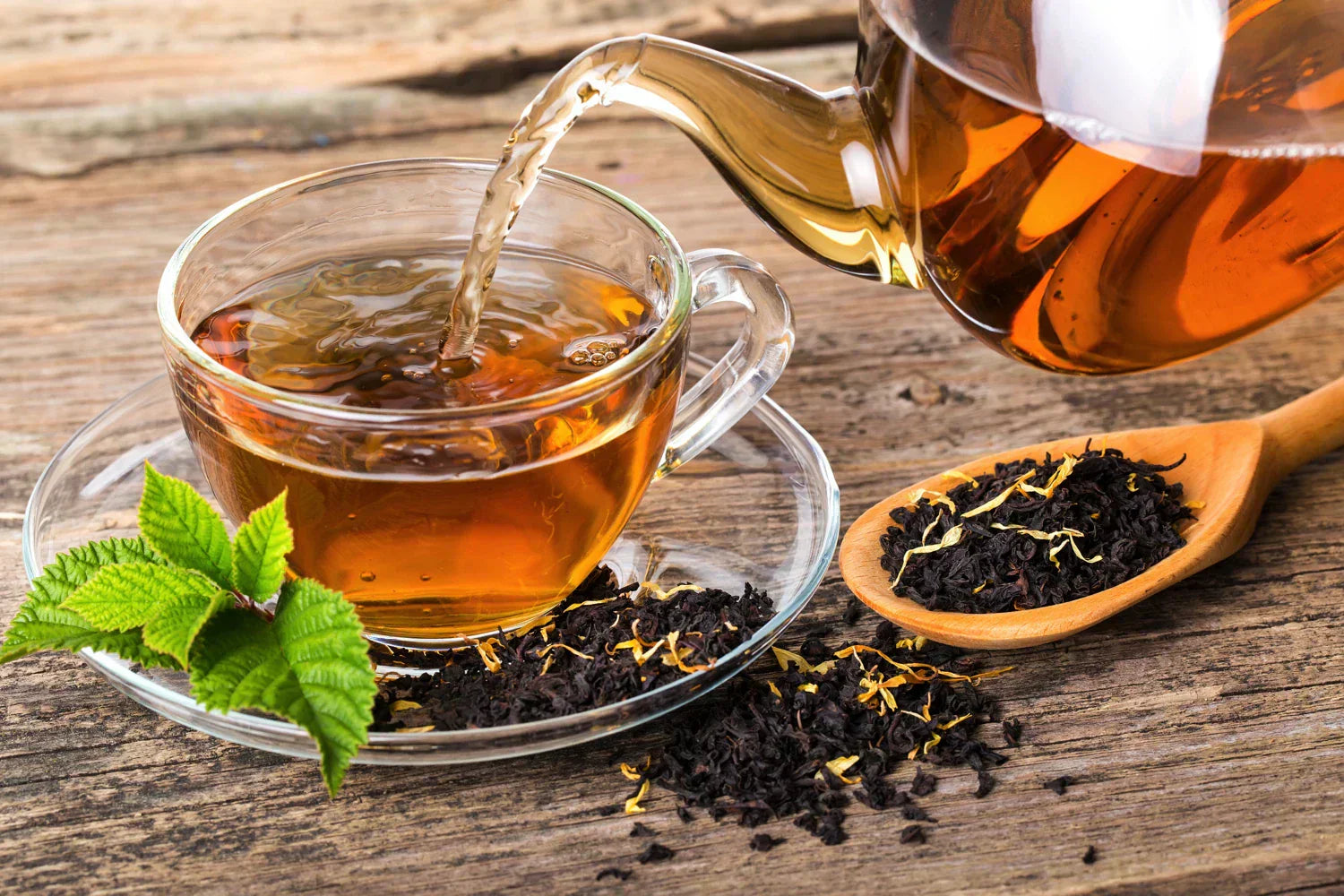
Does Tea Have Caffeine? Everything You Need to Know
If you've ever swapped your morning coffee for a cup of tea, hoping to cut back on caffeine, you might be surprised to learn that your "gentler" morning drink could still be giving you a significant caffeine boost.
So, does tea have caffeine? The short answer is yes, most teas do. But the full story is far more nuanced, and understanding it can help you make smarter choices about what you drink and when.
What Is Caffeine and Why Does Tea Contain It?

Caffeine is a natural stimulant that affects the central nervous system, boosting alertness and reducing the feeling of tiredness.
Most real tea, meaning black tea, green tea, white tea, and oolong tea, comes from the same plant: Camellia sinensis. The Camellia sinensis plant naturally produces caffeine in its leaves, and that caffeine ends up in your cup when you brew it.
The youngest leaves and buds of the plant tend to contain the highest caffeine levels, which is one reason why certain premium teas can pack quite a punch.
Caffeine content in tea varies widely depending on the type of tea, how you prepare it, and several other factors we'll explore below.
How Much Caffeine Is in Tea?
One of the most common questions people ask is: How much caffeine does tea actually contain? Here's a general breakdown of caffeine content by tea type:
- Black tea: 60 to 90 mg per 8-oz cup
- Oolong tea: 50 to 75 mg per 8-oz cup
- Green tea: 35 to 70 mg per 8-oz cup
- White teas: 30 to 55 mg per 8-oz cup
For context, an average cup of brewed coffee contains around 95 mg of caffeine, while instant coffee averages closer to 60 to 65 mg per 8-oz cup. Energy drinks typically range from 80 to 150 mg per serving. So while tea generally contains less caffeine than coffee, it is far from caffeine-free.
Matcha is a standout exception. Because you consume the whole leaf ground into powder rather than steeping and then discarding tea leaves, matcha green tea delivers slightly more caffeine than most other green teas. In fact, matcha can rival some popular coffees in caffeine content depending on how much powder you use to brew the drink.
Factors That Affect Caffeine Levels in Tea
Many factors influence the final caffeine content in your cup. You cannot simply go by tea type alone.
Brewing Time
The longer you steep your tea, the more caffeine extraction occurs. A green tea steeped for one minute will have less caffeine than the same tea steeped for five minutes.
If you want less caffeine, pull your tea bag or tea infuser out sooner.
Water Temperature
Hot water pulls caffeine out of tea leaves more efficiently than cooler water.
Cold brew tea, for example, tends to have lower caffeine levels even after a long steeping time because the cold water slows caffeine extraction.
Tea Bags vs. Whole Leaf
Tea bags typically contain smaller, broken pieces of tea leaves, which increases the surface area exposed to hot water. This often means tea bags produce a more caffeinated cup than whole-leaf teas steeped for the same amount of time.
Preparation Method
The amount of tea you use (and consume) also matters. More tea, whether loose leaf or tea bags, means more caffeine. If you follow a measured preparation method, you'll have a better sense of your actual caffeine intake.

Green Tea vs. Black Tea: Which Has More Caffeine?
People often assume green tea has far less caffeine than black tea, but the difference is smaller than most people think. Black tea does contain more caffeine on average, but either green or black tea can deliver a meaningful caffeine dose depending on how you brew them.
The key difference between the two tea types lies in how the leaves get processed. Both come from the Camellia sinensis plant, but black tea undergoes full oxidation, turning the leaves brown or black, while green tea is processed by boiling the leaves while they are still green. This alters the tea's chemical composition and flavor but does not eliminate its caffeine content.
White and green teas tend to have less caffeine than black tea, but they are not caffeine-free. If you are looking for a lower-caffeine option among teas, white teas and lightly steeped green teas are your best bet.
What About Herbal Tea? Is It Naturally Caffeine Free?
Herbal teas are a different story. Most herbal teas are naturally caffeine-free because they do not come from the Camellia sinensis plant. Instead, they use a combination of dried flowers, roots, fruits, and herbs.
Chamomile, peppermint, hibiscus, and rooibos are all examples of teas that naturally contain no caffeine.
However, not all herbal teas are caffeine-free. Yerba mate, a popular drink from South America, comes from a different plant entirely but contains significant caffeine, sometimes as much as or even more than black tea. Guayusa and guarana-based teas also contain caffeine. Always check the label for these ingredients if you want to be sure of caffeine content.
Seeking to completely avoid caffeine? Look for teas labeled "naturally caffeine-free" rather than just "herbal," since some herbal blends mix in tea plant leaves or other caffeinated botanicals.
Decaffeinated Tea: A Middle Ground
Decaffeinated tea gives tea drinkers the taste and ritual of regular tea but with significantly reduced caffeine. Decaf tea is not completely caffeine-free, though. Most decaffeinated teas still contain between 2 and 10 mg of caffeine per cup because no decaffeination process removes 100% of the caffeine.
The process of making decaf tea typically involves either a carbon dioxide method or a chemical solvent method. The CO2 method preserves more of the tea's natural flavor and bioactive compounds, and is typically considered a cleaner process.
If you want to avoid caffeine altogether, decaf tea gets you close but not all the way there.
L-Theanine: Why Tea's Caffeine Feels Different
Here's something that sets tea apart from coffee brews and energy drinks: L-theanine. L-theanine is an amino acid almost exclusively found in tea plants, and it works in fascinating ways alongside caffeine.
While caffeine affects the central nervous system by blocking adenosine receptors (the receptors that make you feel tired), L-theanine promotes a calm, focused mental state. The combination of caffeine and L-theanine in tea produces a smoother, more sustained energy effect compared to the sharp spike and crash that coffee or energy drinks can cause.
Scientific evidence supports the idea that caffeine and L-theanine work together to improve attention and mental performance without the jitteriness that caffeine supplementation alone can cause. This is one of the most compelling health benefits of drinking tea, especially green and white teas that tend to have higher L-theanine concentrations relative to their caffeine content.
How Much Caffeine Is Safe to Consume?
The FDA and most health organizations set a safe caffeine intake at around 400 mg per day for healthy adults. That means you could drink several cups of tea throughout the day and remain well within recommended limits, especially if you drink green or white tea rather than high caffeine options like matcha or strong black tea.
Pregnant women, people sensitive to caffeine, and those with certain health conditions should consume less caffeine. If caffeine affects your sleep or causes anxiety, consider switching to lower-caffeine teas in the afternoon and evening, or opting for naturally caffeine-free herbal options after a certain hour of the day.
Tips for Managing Your Caffeine Intake Through Tea
If you want more or less caffeine from your cup of tea, here are some practical adjustments:

To get more caffeine:
- Use more tea per cup
- Steep longer
- Use hotter water
- Choose black tea or matcha green tea
- Use tea bags rather than whole leaf forms
To get less caffeine:
- Steep for a shorter time
- Use cooler water
- Choose white teas or lightly processed green teas
- Try the "first rinse" method: Steep the tea for 30 seconds, discard that water, then steep again; this removes a portion of the caffeine
- Switch to decaf tea or naturally caffeine-free herbal teas
Explore Your Tea Options With Mystic Monk Coffee
Whether you want a bold cup of black tea to start your morning, a calming green tea in the afternoon, or a completely caffeine-free herbal blend at night, there is a tea for every preference and goal.
Understanding how caffeine in tea works, and what factors affect how strong your cup is, gives you real control over your daily caffeine intake without giving up the pleasure and health benefits of tea altogether.
Ready to find your perfect cup? Explore our full collection of loose leaf teas to discover high-quality options across every tea type, from bold black teas to soothing herbal blends.
Read more

Black Friday Coffee Deals to Brighten Your Holiday Season As the holiday season stirs to life, there’s one aroma you’ll want drifting through your home without fail — the rich, carefully roasted bl...
Who doesn't like having a fresh cup of coffee, full of flavor and crisp in texture with every sip? Sometimes, that's enough to get you through a tough day. On the other hand, stale grounds can make...