
The Opposite Expectation: "Why Does Caffeine Make Me Tired?"
Morning coffee is almost a ritual for millions of people. It prepares your mind and body for the day ahead, getting you ready for hours of thought and physical activity.
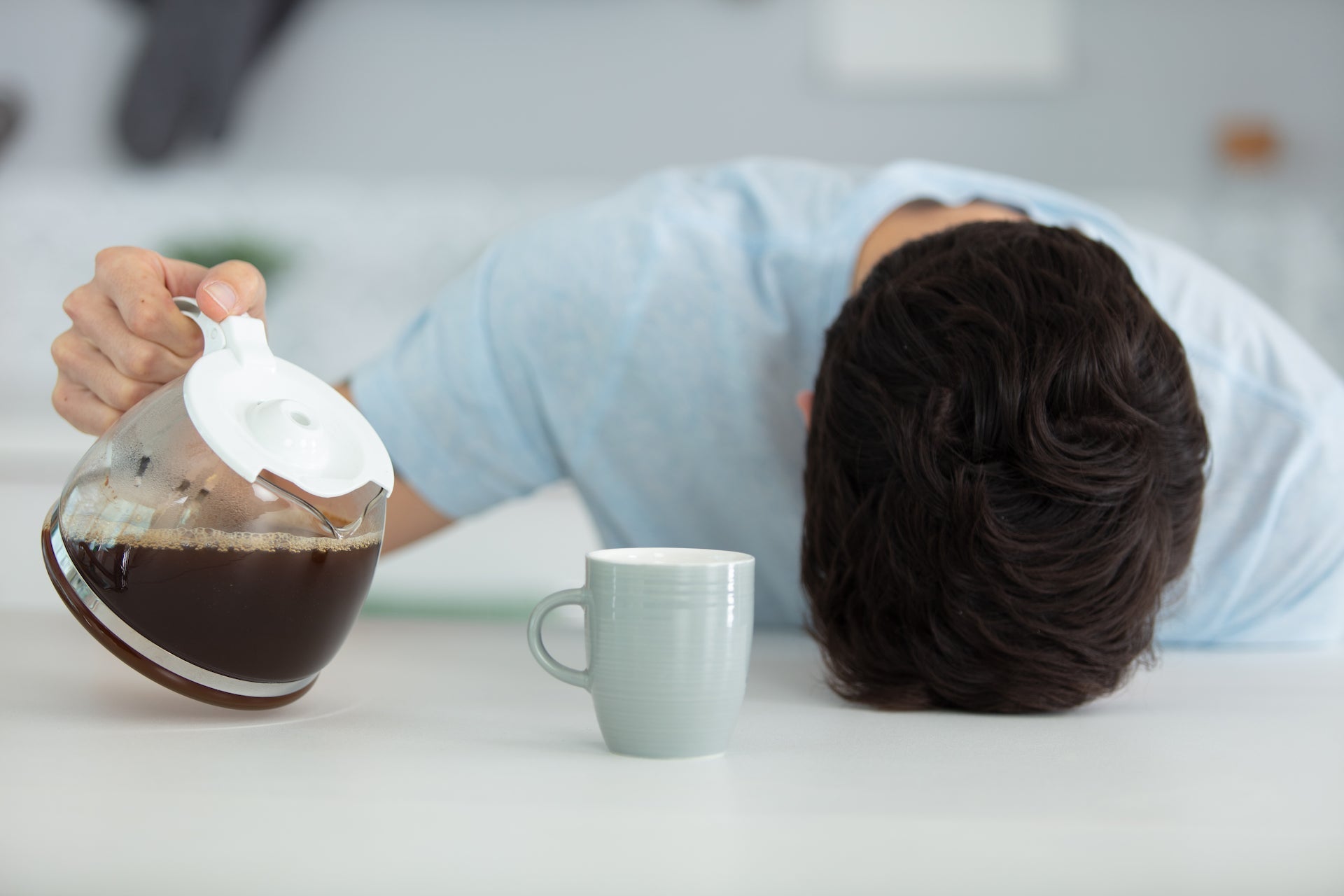
But sometimes, coffee consumption has the opposite effect than what you'd expect. You drink a cup or two, and instead of feeling awake and alert, you feel sleepy. And as time goes on, this same effect continues.
At some point, you can't help but ask, "Why does caffeine make me tired?"
For those who feel this way even after drinking caffeine, this blog from Mystic Monk Coffee explores the effects of caffeine on the body and possible reasons why it may make you feel tired. Read on and learn more.
How Caffeine Consumption Works Inside the Body
One way that caffeine consumption causes you to feel more awake and increases alertness is by blocking adenosine receptors in your brain.
Adenosine is a chemical messenger that makes you feel tired and ready for sleep. As you go through your day, adenosine builds in your body until, at night, it tells your brain that it's time to finally get some rest.
So, what does caffeine do? It blocks adenosine receptors, preventing your brain from recognizing the signals for rest that your body is getting.
Therefore, even though you may have slept poorly or overworked yourself, a cup of coffee helps wake you up by making you think you're not even tired.
This effect also increases the release of other chemicals in your brain that affect mood and mental energy, like dopamine and norepinephrine. These give you a nice boost of alertness and concentration, but only for a short time, usually around 30 to 60 minutes.
However, over time, these benefits can turn into drawbacks. An example of this is the vicious cycle of coffee crashes:
- You don't sleep well, so you drink coffee in the morning to get to work.
- The caffeine blocks adenosine receptors, preventing you from getting sleepy again.
- Once the caffeine wears off, you feel tired again, so you drink more coffee. But adenosine still continues to build up, despite you not feeling tired.
- Finally, once that last cup of coffee wears off, too, your brain is flooded with adenosine, making you feel even more exhausted. This is what is famously known as a "crash."
When taken moderately, along with healthy sleeping habits, caffeine consumption can be a great way to keep you focused and awake during the day. So, always try to get enough sleep and ensure a proper sleep rhythm through regular exercise.
Reasons Drinking Coffee Can Make You Feel Tired

Coffee crashes can be one answer to the question, "Why does caffeine make me tired?" There are several other reasons for this effect, which we explain in detail below:
Disruptions Through Dehydration
Coffee is known for being a natural diuretic. These diuretic effects cause your body to draw out more water through your kidneys, resulting in you needing to go to the bathroom. For some, this can mean feeling the urge to go late at night, disturbing their sleep and making them feel fatigued the next day.
This effect also causes fluid loss in your body, leading to dehydration. Even mild dehydration gives individuals a level of fatigue and tiredness during the day.
This doesn't happen all the time, and not every coffee drinker experiences it. But it is one possible way that drinking caffeine can make you tired.
Increased Caffeine Tolerance
Individuals who rarely or never drink caffeine experience the highest level of its effects on mood and focus. They have better reaction times and are more active and ready for work.
However, the effects of caffeine intake decrease over time and with more consumption. As you continue to make it a regular part of your day or increase the amount you drink, you're gaining a stronger tolerance to it.
As you regularly drink coffee, the same amounts won't give you those waking, energizing effects that they originally did, so you'll have to drink more and more.
So, coffee may not be making you tired, but if you drink enough over time, it won't help with your exhaustion.
Fast or Slow Caffeine Metabolism
Your metabolism can also be a reason why caffeine doesn’t seem to have an effect on you or why you feel tired soon after your last cup of coffee.
For those who metabolize caffeine quickly, your energetic buzz will be more short-lived, leading you to feel sleepy and groggy soon after your last sip.
For people who metabolize caffeine at a much slower pace, you might not feel the same awakening effect as other people do.
There are factors that can influence your metabolism and affect how fast or slow your body burns through caffeine. Smoking speeds up your metabolism, burning away caffeine in your body faster. Pregnancy or liver disease can slow down your ability to break down caffeine.
Compensating Adenosine Levels
As we mentioned before, adenosine is responsible for making us feel sleepier as we go throughout the day. Coffee helps block our adenosine receptors so we don't feel tired, but more awake.
Some research suggests that your body will compensate for the lack of adenosine reception by making your body more sensitive to the chemical. This leads to increased sleepiness and fatigue once the caffeine has worn off from your system.
This helps explain that "crash" you might experience after a good cup of coffee.
Changes in Blood Sugar
Coffee can affect your body's ability to tolerate glucose and develop insulin resistance, thus leading to high blood sugar levels. Those with diabetes or who are prediabetic deal with increased levels of fatigue and tiredness.
Note: We aren't physicians or doctors, so if you are experiencing these symptoms, please talk to your doctor or healthcare professional before making any conclusions.
Additionally, lower blog sugar levels also lead to feeling tired. After drinking coffee and eating, your blood sugar spikes, then starts to fall, having a noticeable effect on your energy.
Possible Link to Genetics
While this may require more research, studies indicate that genetics can have an effect on how a person's body responds to caffeine. Certain genes may make you more sensitive to caffeine, making you alert and awake, but also more anxious and jittery.
This may explain why some individuals tend to avoid drinking coffee, as it disrupts their sleep and natural flow during the day.
When Feeling Tired After Coffee Is Normal
There are many different reasons you're staying at low energy, even after a fine cup of strong, dark roast coffee. But sometimes feeling tired after drinking caffeine is a normal thing.
At times, your fatigue after drinking coffee is due to other factors, like stress at work, poor sleeping habits, or the onset of an illness.
Developing a healthy relationship with coffee allows us to enjoy a small boost through our daily grind while not attempting to overlook the need for quality sleep and relaxation.
Ways to Build Healthy Coffee Habits
There are many ways to curb the effects of coffee that could make you feel tired. It all comes down to slightly adjusting your habits and making a few additions to your morning cup.
The changes we share below will help reduce the potential energy drain you may get soon after your daily cup. Try them out, and you might discover the best way to enjoy your daily cup of joe:
Drink Water With Your Coffee

As we mentioned before, dehydration can be a major reason why you feel tired after drinking coffee. If you start your day with coffee but hardly any water, you may become dehydrated, leading to headaches, low energy, and dreadful fatigue.
Drink a glass of water before or with your first cup of coffee. This helps keep you hydrated and lets the caffeine do its job more effectively. When your body is well-hydrated, coffee can really shine, bringing clarity and focus to your daily routine.
Don't Drink Coffee On an Empty Stomach
Another common cause of caffeine-related fatigue is drinking coffee without eating anything first. Without food in your system, coffee can sometimes lead to jitters, mild digestive discomfort, and an eventual energy crash.
On the other hand, a small breakfast can help stabilize the possible negative effects of caffeine. Foods that contain protein, fiber, and healthy fats slow the absorption of caffeine and prevent sudden spikes in blood sugar.
Pair your morning coffee with:
- Eggs
- Yogurt
- Whole-grain toast
- Oatmeal with nuts
Eating these with your coffee is not only a treat, but also helps your body process caffeine more gradually. Instead of a quick surge of energy followed by tiredness, you may enjoy a steadier sense of alertness that lasts longer.
Improve Your Sleeping Habits

Coffee can help you wake up, but it is no replacement for real rest. One of the most overlooked reasons caffeine seems to make you tired is that your body is just too tired.
By improving your regular sleep quality, you may notice your daily coffee being more of a boost than ever. Here are a few simple habits that can help:
- Maintain a consistent sleep schedule
- Avoid caffeine late in the evening
- Limit screen time before bed
When your body is well rested, your morning coffee becomes a pleasant boost rather than something you depend on just to stay awake.
Space Out Your Cups Throughout the Day
Drinking several cups of coffee in a short span can really throw your body off balance, often resulting in an energy crash later on. When caffeine rushes into your bloodstream, it gives you a quick jolt of energy, but as those effects fade, fatigue can set in.
Instead, spacing out your coffee throughout the day tends to yield a more even energy level. Many find that having one cup in the morning and another in the early afternoon does the trick. This way, your caffeine levels stay steady, without any big highs and lows.
Drink High-Quality Coffee
The coffee itself can also be a key factor in how each cup results in your feeling tired. When you brew freshly roasted coffee, you often get a smoother flavor and a more balanced caffeine kick.
However, if you make coffee from stale grounds or poorly roasted beans, you'll get a brew that can come off as harsh and may leave you feeling unsatisfied. This may lead you to reach for more cups than you really need.
And drinking more won't make you more satisfied. It has a higher chance of leaving you feeling tired, and perhaps more likely to experience an energy crash.
So, consider getting your coffee from a source that provides bags of freshly roasted beans and grounds. Each cup of Mystic Monk Coffee beans are roasted with care in small batches by Carmelite monks nestled in the Rocky Mountains.
Our dedication ensures our blends are crafted to deliver a rich, smooth cup that encourages coffee lovers to savor each sip. Browse our selection of coffees today, so you can discover a blend or roast you'll savor and enjoy.
Mystic Monk Coffee: Coffee That Makes You Feel Awake, Not Burned Out
If you’re in search of a coffee that sets a calm, focused tone for your day, take a moment to explore our selection of freshly roasted beans, grounds, and convenient Monk Shots, all found at Mystic Monk Coffee. With a range of blends and flavors available, you might just find the perfect cup that gives you the blessing of focused energy through the toughest part of your day.
Read more

Coffee lovers often debate the merits of espresso vs coffee, but many don't understand the fundamental differences between these two beloved beverages. While both drinks come from the same coffee b...
Fasting is both a well-practiced tradition for many religious groups around the world, as well as a popular health trend. While these are performed differently, one common element that everyone fas...